Trezor Login: The Complete Guide to Secure Cryptocurrency Access
With the rising popularity of cryptocurrencies, the need for secure storage solutions has never been greater. While software wallets and exchange accounts offer convenience, they are vulnerable to hacks, phishing, and malware. Hardware wallets provide the highest level of security for digital assets, and among the most trusted devices is the Trezor hardware wallet.
Central to accessing your Trezor wallet is the Trezor login process, which ensures that only authorized users can access and manage funds. This guide covers everything about Trezor login, from setup, security features, troubleshooting, and advanced functionalities, all while maintaining a clear, easy-to-follow structure.
What is Trezor?
Trezor is a hardware wallet designed to securely store cryptocurrency private keys offline. It is developed by SatoshiLabs and comes in several models, such as the Trezor One and Trezor Model T. Unlike online wallets, Trezor devices keep private keys offline, which drastically reduces the risk of hacking.
Trezor allows users to:
Store multiple cryptocurrencies securely.
Send and receive crypto safely.
Manage accounts and monitor balances.
Access DeFi platforms and interact with NFTs (via Trezor Suite).
The Trezor device itself is the backbone of its security model, while Trezor Suite serves as the official software interface for managing assets.
Understanding Trezor Login
Trezor login differs from typical online account logins. There is no username or password in the traditional sense. Instead, your hardware device and recovery credentials serve as your authentication method.
Key Elements of Trezor Login:
Device Authentication: Physical presence of the Trezor device is required.
PIN Code: Each Trezor device is protected by a PIN, preventing unauthorized access.
Passphrase (Optional): An extra layer of security that enables hidden wallets.
Recovery Seed: A 12-, 18-, or 24-word phrase used to restore access if the device is lost or damaged.
Encrypted Communication: All communication between the device and software is encrypted to prevent tampering.
This design ensures that only you, the owner, can authorize transactions or access accounts.
Step 1: Setting Up Your Trezor Device
Before logging in, your Trezor device must be set up properly:
Visit Trezor.io/start.
Choose your device model (Trezor One or Model T).
Download Trezor Suite, the official application for desktop or mobile.
Connect your Trezor device to your computer or mobile device using a USB cable.
During setup, you will:
Create a new wallet or restore an existing wallet using your recovery seed.
Set a PIN code for device protection.
Optionally enable a passphrase for extra security.
Step 2: Installing Trezor Suite
Trezor Suite is the software used to manage your wallet, accounts, and transactions:
Download Trezor Suite from Trezor.io/start.
Install the application on your computer or mobile device.
Launch Trezor Suite and connect your Trezor device.
Trezor Suite acts as the interface between you and your hardware wallet, enabling you to manage funds while keeping private keys offline.
Step 3: Logging Into Trezor Suite
Logging into Trezor involves these steps:
Connect your Trezor device to your computer or mobile device.
Enter your PIN code on the Trezor device.
If you use a passphrase, enter it to access hidden wallets.
Open Trezor Suite to access your cryptocurrency accounts.
Unlike traditional web logins, Trezor login relies on device verification and encrypted communication, ensuring your private keys remain secure at all times.
Step 4: Adding Accounts
After logging in, you can add cryptocurrency accounts in Trezor Suite:
Open the Accounts section in Trezor Suite.
Click Add Account.
Select the cryptocurrency you want to manage.
Verify your wallet address on the Trezor device.
Trezor supports hundreds of cryptocurrencies, including Bitcoin, Ethereum, Litecoin, and ERC-20 tokens, allowing users to manage a diverse portfolio from a single device.
Step 5: Sending and Receiving Cryptocurrency
Receiving Cryptocurrency:
Click Receive in Trezor Suite.
Verify the receiving address on your Trezor device.
Share the verified address to receive funds safely.
Sending Cryptocurrency:
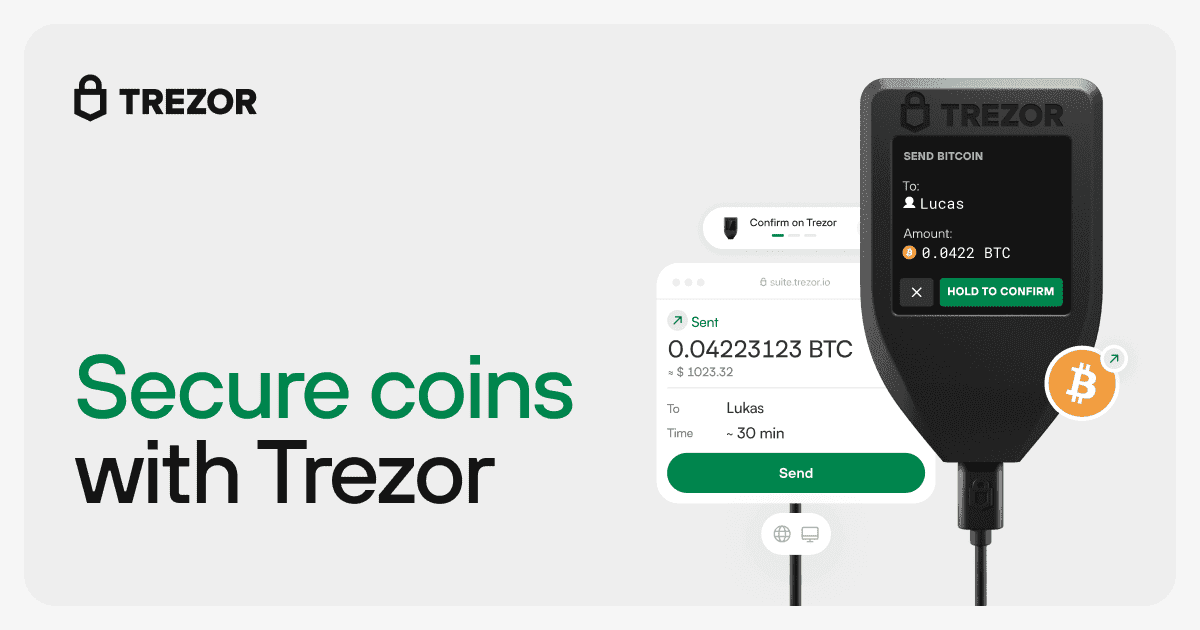
Click Send in Trezor Suite.
Enter the recipient’s address and transaction amount.
Confirm the transaction on your Trezor device.
This two-step verification ensures that malware or malicious software cannot intercept or alter transactions.
Step 6: Security Features of Trezor Login
Trezor login prioritizes security through several layers:
Hardware PIN: Each device requires a unique PIN.
Passphrase Protection: Hidden wallets prevent unauthorized access to sensitive funds.
Offline Private Keys: Keys never leave the device.
Encrypted Communication: Trezor Suite communicates securely with the device.
Recovery Seed: Your backup seed allows full wallet restoration in emergencies.
By following best practices, Trezor login can provide a nearly impenetrable layer of security for your crypto assets.
Step 7: Passphrases and Hidden Wallets
Optional passphrases enhance security:
A passphrase acts as an additional word in your recovery seed.
This enables creation of hidden wallets, accessible only by entering the passphrase.
Hidden wallets are ideal for advanced users who want to separate assets or increase privacy.
Always store your passphrase securely, separate from your recovery seed.
Step 8: Recovery and Device Replacement
If your Trezor device is lost, stolen, or damaged:
Obtain a new Trezor device.
Install Trezor Suite.
Restore your wallet using your recovery seed.
Re-add your cryptocurrency accounts.
This process ensures uninterrupted access to your assets while maintaining high security.
Step 9: Mobile Trezor Suite Login
Trezor Suite is available on mobile devices, allowing secure access on the go:
Download Trezor Suite mobile app.
Connect your Trezor device via USB or Bluetooth (if supported).
Enter your PIN and optional passphrase.
Access accounts and manage crypto securely from anywhere.
Mobile login offers convenience without compromising security.
Step 10: Managing Multiple Accounts
Trezor Suite allows users to manage multiple accounts:
Create separate accounts for different cryptocurrencies.
Organize wallets for personal savings, trading, or long-term storage.
Use passphrases to create hidden wallets for privacy.
This flexibility makes Trezor suitable for both beginners and professional crypto investors.
Step 11: Firmware Updates
Firmware updates are critical for Trezor device security:
Connect your Trezor device to Trezor Suite.
Check for firmware updates in the device settings.
Follow instructions to safely update firmware.
Updating firmware ensures your device has the latest security features and bug fixes.
Step 12: Portfolio and Transaction Management
Trezor Suite provides:
Real-time portfolio tracking.
Transaction history and confirmations.
Cryptocurrency allocation and performance analytics.
The Trezor login process ensures all actions are verified and authorized, preventing unauthorized transactions.
Step 13: Advanced Security Tips
To maximize security when using Trezor login:
Always download Trezor Suite from the official website.
Avoid public Wi-Fi when accessing the wallet.
Verify addresses on the Trezor device, not just on the computer screen.
Store recovery seed and passphrase in a secure, offline location.
Use a strong, unique PIN and change it periodically.
These practices prevent unauthorized access and maintain wallet integrity.
Step 14: Troubleshooting Trezor Login
Common issues and solutions include:
Device Not Detected: Check USB connection or use a different port/cable.
Incorrect PIN: Three failed attempts reset the device; use the recovery seed to restore.
Trezor Suite Crashes: Ensure you are using the latest version of the software.
Passphrase Errors: Verify you are entering the correct passphrase for hidden wallets.
Trezor support and community forums provide guidance for persistent issues.
Step 15: Frequently Asked Questions
Q1: Can I access Trezor Suite without my device?
No. The hardware device is required for authentication and security.
Q2: What if I forget my PIN?
Three incorrect attempts reset the device. You can restore the wallet using the recovery seed.
Q3: Can I manage multiple devices with one Trezor Suite account?
Yes. You can connect multiple devices and manage each separately.
Q4: Is Trezor login secure against hackers?
Yes. Private keys never leave the device, and every transaction requires physical confirmation.
Step 16: Benefits of Trezor Login
High Security: Hardware-based authentication protects assets.
Device-Based Verification: All actions must be confirmed on the device.
Multi-Currency Support: Manage dozens of cryptocurrencies.
Recovery Options: Restore wallets using the recovery seed.
Advanced Features: Passphrases, hidden wallets, DeFi and NFT access.
Trezor login combines security, convenience, and control for crypto management.
Step 17: Trezor vs Software and Exchange Wallets
FeatureTrezor LoginSoftware WalletsExchange WalletsSecurityHardware-based, highMediumCustodial, low-mediumRecoverySeed phrasePasswordExchange-dependentTransaction VerificationPhysical confirmationSoftware-basedPartialDevice RequirementRequiredOptionalNot requiredPrivacyHighMediumLow
Trezor provides one of the most secure login and storage solutions available.
Step 18: Integrating DeFi and NFTs
Trezor Suite allows interaction with DeFi platforms and NFT collections:
Connect to supported decentralized apps safely.
Use Trezor login to authorize actions.
Store NFTs securely alongside cryptocurrencies.
All operations require device confirmation, preventing unauthorized access.
Step 19: Best Practices for Long-Term Use
Regularly update firmware and Trezor Suite.
Keep recovery seed and passphrase offline.
Verify all addresses before sending transactions.
Use hidden wallets for sensitive assets.
Periodically review account activity.
Following these steps ensures your Trezor wallet remains secure over time.
Step 20: Conclusion
Trezor login is more than a simple authentication—it is a secure, hardware-based system that protects your crypto assets from theft, hacks, and malware. By combining device confirmation, PIN codes, optional passphrases, and recovery seeds, Trezor ensures only authorized users can access and manage funds.
With Trezor Suite, users can manage multiple accounts, monitor portfolios, send and receive crypto, interact with DeFi platforms, and store NFTs securely—all while keeping private keys offline.
Using Trezor.io/start guarantees authentic software downloads and proper setup. Trezor login provides the highest level of security, flexibility, and peace of mind for cryptocurrency management.